

If you run a small or mid-sized business in Canada, you have probably seen this scene at your checkout:
Customer taps their phone on the terminal, waits half a second, then asks, “Oh, you don’t take Apple Pay?”
In that small moment, you face a decision. You can ask them to pull out a plastic card or even cash. Many do. Some shrug and go through with it. A few quietly decide to buy somewhere else next time.
So the question is simple on paper and a bit messy in practice:
Should Canadian SMBs offer digital wallets such as Apple Pay and Google Pay, or is that just extra tech and extra fees for the same sale?
This article walks through that question step by step, with a focus on real numbers, trade-offs and cash flow.
For this discussion, digital wallets are services that let customers store card details or account credentials on a phone, watch or browser and pay with a tap or a click.
Common examples in Canada:
In many cases, digital wallets still run on the card rails you already use. A customer taps their phone; behind the scenes the wallet sends a token that stands in for their card number. The processor treats it as a contactless card transaction with some extra security features such as tokenization and device-level checks.
So from a pure payments angle, digital wallets are less of a separate system and more of a new “front door” for the same networks. The question then shifts from “Is this new?” to “Does this make life better for customers and for the business?”
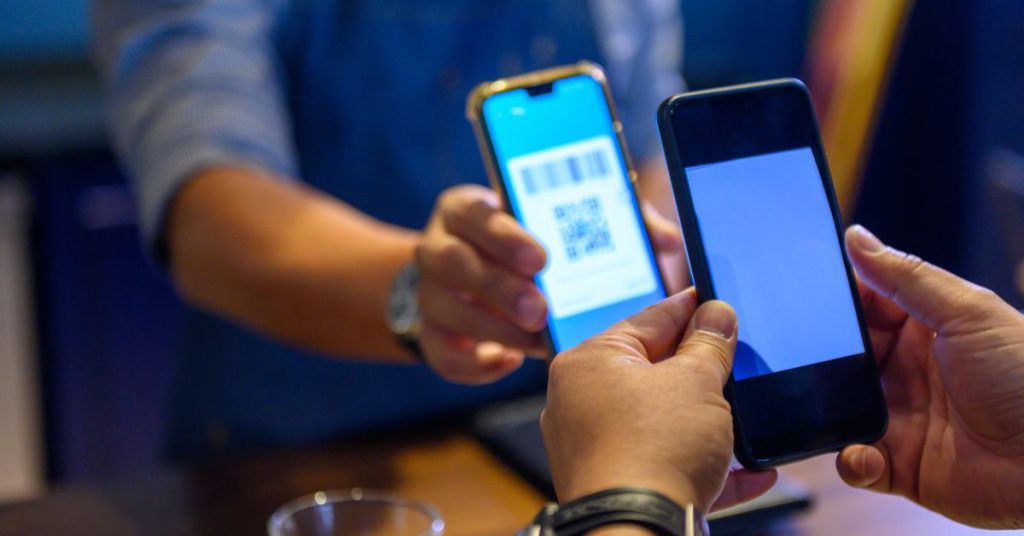
Canada already leans heavily on digital payments. Payments Canada data shows that in 2023, electronic and card payments made up most day-to-day transactions, with Interac debit alone reaching around 6.5 billion transactions and over 1.16 billion Interac e-Transfers in a single year.
A few signals give context for digital wallets in particular:
Noda’s recent overview of payment methods in Canada highlights mobile wallets like Apple Pay and Google Pay alongside Interac, cards and buy-now-pay-later as part of the expected mix at checkout for local shoppers.
So Canadians still tap plastic cards more than phones, yet trends point clearly in the direction of digital wallets gaining ground. For an SMB, that mix matters more than global numbers. The key issue is whether your specific customers already pay this way or soon will.
Digital wallets affect three areas that owners feel every day:
Contactless has already trained Canadian customers to expect quick taps rather than chip-and-PIN. Interac notes that contactless debit accounts for a large share of card volume and that retailers gain shorter queues and smoother flows at busy times.
Digital wallets extend that habit from the card to the device. A typical flow:
In store, that saves seconds per sale, which sounds small yet adds up during rush periods. In e-commerce, the effect is bigger. Customers who pay with digital wallets skip manual entry of card details, expiry dates and postal codes. Many merchant case studies show that express checkout buttons raise completed orders and lower cart abandonment.
Interac and several processors stress that digital wallets bring multiple security layers: device-level authentication, tokenized card numbers and strong encryption.
From the shopper’s point of view:
Surveys used in payment industry reports show that many consumers now view digital wallets as safer than physical cards for tap payments and online purchases.
For merchants, that sense of safety cuts both fraud risk and support burden. Fewer customers call to ask about “mystery charges” when they see clear wallet transaction records on their phones.
Noda points out that Canadian shoppers expect fast, simple options at checkout and that missing preferred methods can cost sales. PaymentCloud and other providers in similar markets share data that suggests win rates improve when merchants add digital wallets alongside cards and Interac.
For a small Canadian merchant, that impact may appear in ways such as:
That last point grows in importance for retail zones, hospitality and tourism-heavy regions.

To keep this grounded, it helps to lay out advantages and trade-offs side by side.
1. Customer expectation and experience
Interac and OTT Pay both describe digital wallets as a key part of modern checkout, especially for younger and more mobile-heavy customers. For Gen Z and many millennials, pulling out a phone feels more natural than reaching for a physical card. Meeting that expectation can tilt a borderline sale in your favour.
2. Faster lines and smoother workflows
Every tap that replaces a chip insert or cash exchange reduces friction. Staff can focus more on greeting and service and less on handling cash or managing receipts. OTT’s article highlights that staff often gain time for engagement once payment friction drops.
3. Perceived security and lower fraud
Tokenization and strong authentication give digital wallets a strong security profile. Interac states that digital wallet transactions with Interac Debit can offer merchants low fraud risk and no chargebacks on certain online use cases. Card brands still have chargeback mechanisms, yet the mix of encryption, tokens and device checks reduces some common fraud patterns.
4. Branding and marketing hooks
Supporting digital wallets lets you show Apple Pay / Google Pay badges on your door, website and receipts. For e-commerce, that signals professionalism and modern infrastructure, which can improve trust for new visitors who do not know your brand yet.
5. Better fit with subscription and app-based models
If you later add a mobile app, loyalty program or subscription, digital wallets integrate easily. Customers can save recurring payment methods in ways that feel nearly invisible once set up.
It would be easy to stop at the upside, though that would feel incomplete. Canadian SMBs have real concerns around fees and complexity.
1. Fees and pricing structure
Digital wallet transactions usually ride on existing card rails. For in-person Apple Pay or Google Pay, fees match contactless card-present rates in most setups. For in-app and online wallets, rates align with card-not-present pricing.
Key points to ask your provider:
Some processors build all of this into a flat blended fee. Others itemize more. Clarity matters here, since digital wallets can shift more volume into certain pricing buckets.
2. Hardware and integration
Most Canadian payment terminals shipped in recent years already support contactless and, by extension, digital wallets. Payments Canada and Vitality Cash’s payment trends article both describe wide tap adoption across merchants.
Yet some older POS units still lack proper NFC capability or need software updates. For e-commerce, you might need to:
The effort level ranges from “almost nothing” to “a small project”, depending on your starting point.
3. Staff training and process tweaks
Staff need to recognize:
Training is usually simple, though skipping it creates awkward moments at the counter.
4. Data visibility and reconciliation
Digital wallets still show up in your processor reports, yet line items may look slightly different. Tokens and alternate identifiers appear instead of full card details. For many owners this is fine. For those who run detailed internal analytics, slight changes in how data appears can require small adjustments in reporting or mapping.
This is where good cash flow and accounting tools help.
Digital wallets change the timing and mix of your inflows. Cash shrinks, cards and wallet-driven card transactions grow, Interac e-Transfers and other account-based methods sit nearby. Without a clear overview, it becomes hard to see how this mix affects cash flow and planning.
Vitality Cash focuses on AI-driven cash flow management for Canadian SMBs. The platform connects to your financial data, tracks income and expense, and projects cash balances forward using historical patterns.
In the context of digital wallets, that brings a few practical advantages:
In simple terms, digital wallets live on the revenue side, Vitality Cash watches both inflows and outflows and helps you decide which mix of methods supports steady cash rather than stress.
Every business is a little different. This short checklist gives a structured way to think through the decision.
Ask yourself:
If the honest answer feels like “yes” or “probably yes” to several, digital wallets deserve serious attention.
Digital wallets fit particularly well where:
Higher ticket businesses can gain too, especially with online checkouts; fewer failed payments and fewer abandoned carts help a lot when each order matters.
Talk to your payment provider and ask:
For online stores:
Many Canadian gateways now treat wallet activation as a simple configuration step.
Use an internal spreadsheet or a tool like Vitality Cash to ask:
Vitality Cash can pull these inflows directly from your accounts and show projected balances under different scenarios, so you do not have to guess based only on processor marketing material.
Here is a compact view of how adding digital wallets tends to change your payments picture.
| Aspect | Card / Interac only | Card / Interac plus digital wallets |
|---|---|---|
| Checkout speed (in-person) | Tap cards already quick; chip transactions slower | Tap cards plus phone and watch taps, fewer chip insert flows |
| Checkout experience (online) | Card form entry, address fields, possible friction | Express wallet buttons, reduced entry, fewer typos |
| Customer perception | Standard, acceptable | Feels modern, especially for younger and mobile-centric customers |
| Security perception | Good, familiar | High, due to biometrics and tokenized data |
| Hardware requirements | Contactless terminals | Same terminals in most cases; rare cases need updates |
| Data and reporting | Clear card and Interac data | Same plus wallet identifiers; slight changes in report format |
| Fees | Current card / debit fee mix | Similar structure; mix may shift toward certain card-present and CNP rates |
| Cash flow impact | Existing settlement timelines | Similar or slightly adjusted timing, depending on provider setup |
This table paints in broad strokes, yet it matches findings from Interac, PayDo, Moneris and other payment specialists who track digital wallet adoption and its effect on merchants.
To wrap this up in a way that helps you act, here are the main points to hold on to:
So, should Canadian SMBs offer digital wallets such as Apple Pay and Google Pay?
For many, the honest answer leans toward “yes, or at least very soon,” especially in retail, hospitality and online sales. The clearer you see your customers’ habits and your own cash flow data, the easier that decision becomes. Digital wallets then move from being a trendy extra to a practical piece of how money flows through your business, watched and guided by tools that keep the bigger financial picture in view.