
Your business made $40,000 last month. You showed a profit on paper. You paid your suppliers, covered payroll, and moved inventory. Everything looked stable.
Then the rent hit. The CRA remittance came due. Your biggest client paid 45 days late instead of 30. Suddenly, you’re $8,000 short and scrambling to cover Friday’s payroll.
This is the daily reality of small business cash flow management in Canada, where timing decides whether a company survives or stalls.
This is how cash flow kills businesses in Canada. Not slowly. Not with warning signs you can see coming. It hits fast, and it hits businesses that look profitable on paper.
Cash flow is not profit. Profit shows up on financial statements. Cash flow shows up in your bank account.
You can show a $10,000 profit for the quarter and still bounce a cheque. That happens when your money is tied up in unpaid invoices, sitting in inventory, or delayed by payment processing times. Profit is an accounting concept. Cash is survival.
Here’s the gap that breaks businesses: you record revenue when you send an invoice, but you don’t receive cash until the client pays. If you operate on net-30 terms and your client stretches payment to 45 or 60 days, you’re paying real expenses with money you don’t actually have yet.
In Canada, this timing problem gets worse fast. You have to remit GST or HST collected on those unpaid invoices before the client even pays you. You’re sending money to the CRA that you haven’t received. That’s not theory. That’s real cash leaving your account.
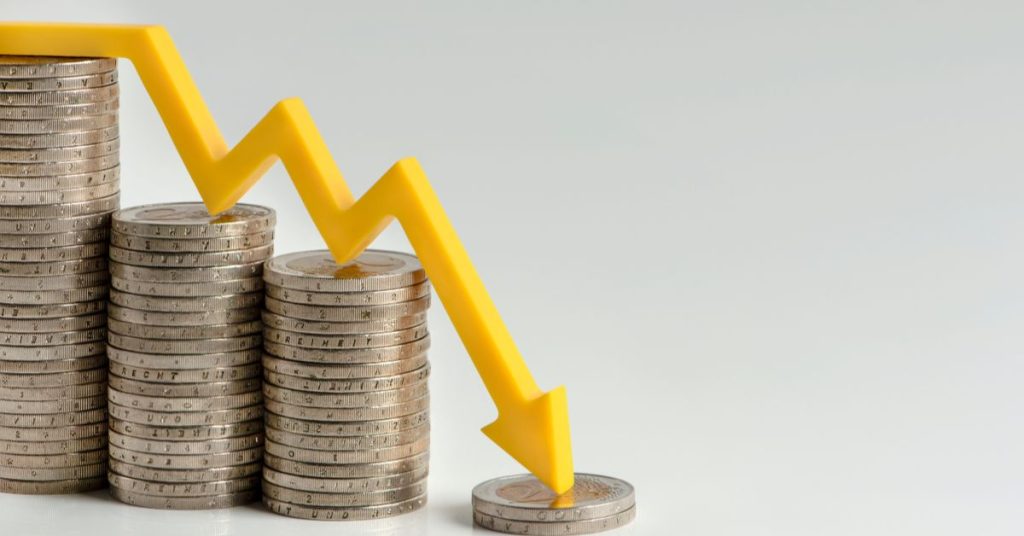
Small businesses fail in Canada with profitable income statements all the time. The books say they’re making money. The bank account says they’re broke.
This happens because profit doesn’t account for timing. A construction company might land a $200,000 contract in June. They buy materials in July. They pay subcontractors in August. The client pays in October. On paper, they made money. In reality, they burned through three months of operating cash before seeing a dollar back.
Banks see the same pattern repeatedly. Business owners come in with strong revenue numbers and healthy margins. They need a loan to cover payroll. The disconnect is timing, not profitability.
Canadian businesses face extra pressure here. Payroll remittances for CPP and EI go out fast. The CRA expects those payments on schedule, regardless of whether your clients paid you on time. You can’t delay government remittances without penalties. That forces many owners to use personal credit cards or lines of credit just to stay current.
Timing kills more small businesses in Canada than bad products or weak sales. The gap between when money goes out and when money comes in determines whether you survive the month.
Most Canadian small businesses operate on payment terms that favour their clients, not them. Net-30 is standard. Many clients stretch that to 45 or 60 days without penalty. Some just ignore terms completely.
Meanwhile, your suppliers want payment faster. Many operate on net-15 or require payment on delivery. Payroll comes every two weeks like clockwork. Rent hits on the first. Your expenses move faster than your income, and the gap widens every month.
This timing squeeze is not something you can fix with better sales. Adding more clients often makes it worse. Each new client represents revenue you won’t see for 30 to 60 days, but expenses you have to cover right now. Growth can bankrupt a business faster than stagnation if the timing is wrong.
Late payments from clients don’t just delay income. They create a cascade that touches every part of your operation.
When a $15,000 invoice sits unpaid for an extra 30 days, you lose the ability to restock inventory. You can’t pay your next supplier bill on time. You might delay your own vendor payments, which damages relationships and sometimes leads to COD requirements that make your cash flow even tighter.
In Canada, chasing late payments often means dealing with clients in different provinces. You can’t just drive over and knock on their door. Collection gets harder across provincial lines, and small businesses rarely have the resources to pursue legal action over late invoices.
Many owners accept late payment as normal. They shouldn’t. Every late invoice pushes your cash flow closer to failure. The client who pays 60 days late might be destroying your business, and they don’t even know it.
Supplier pressure compounds this. If you pay late, your suppliers notice. They might tighten terms, require deposits, or cut you off entirely. Losing supplier credit forces you into cash-on-delivery arrangements, which drains your working capital even faster.

Canadian businesses face a cash flow problem that most other countries don’t have in the same way. GST and HST create artificial cash drains that can hollow out your bank account even when sales are strong.
Here’s how it works: you invoice a client $10,000 plus $1,300 HST. The client owes you $11,300 total. But that $1,300 is not your money. It belongs to the CRA. You’re just holding it until remittance time.
The problem? You have to remit that $1,300 before your client pays the invoice. If your client pays 60 days late, you’re sending money to the CRA that you haven’t collected yet. You’re covering the tax out of your operating cash.
For businesses with tight margins, this creates a recurring cash crisis every quarter. Remittance deadlines don’t care whether your clients paid on time. The CRA expects payment. Many small business owners find themselves borrowing money just to pay sales tax they technically collected but haven’t actually received.
Payroll remittances add another layer. CPP and EI contributions go out every month. These amounts come directly out of your cash flow before you even calculate your own operating expenses. A business with 10 employees might send $8,000 to $10,000 per month in payroll remittances alone. That’s money you can’t use for anything else.
Payroll is the most predictable cash flow drain in any business. It comes every two weeks or twice per month, no matter what else is happening.
Canadian payroll is particularly expensive. You’re not just paying wages. You’re paying employer contributions to CPP and EI. You’re withholding income tax and remitting it on behalf of your employees. You’re often paying into WSIB or private benefits.
A $50,000 salary doesn’t cost $50,000. It costs closer to $56,000 when you add employer contributions. That extra cash hits your account before the employee even sees their paycheque.
Many business owners underestimate this. They budget for salaries but forget to account for the full employer burden. Then payroll hits and suddenly they’re $5,000 short because they only planned for the salary portion.
The timing makes this worse. Payroll goes out before you collect most of your revenue. You’re paying employees today for work they did last week, using money you won’t collect from clients for another 30 to 60 days. The gap between payroll and collections can break a business that looks stable on paper.
Inventory feels like an asset. It sits on your balance sheet as something valuable. But inventory is not cash. It’s cash you already spent, sitting on a shelf, waiting to convert back into money.
The more inventory you carry, the less cash you have available. This is particularly brutal for retail and product-based businesses in Canada. You might have $80,000 worth of inventory in your warehouse, but that doesn’t help when you need $5,000 to cover payroll this Friday.
Many businesses get caught in an inventory trap during growth periods. Sales increase, so they order more stock. That stock takes 60 to 90 days to turn over. Meanwhile, rent, payroll, and other fixed costs keep hitting every month. The business is growing and going broke at the same time.
Seasonal businesses face an even worse version of this. You order inventory in the spring to prepare for summer sales. You pay for that inventory upfront or within 30 days. But you won’t sell through most of it until late summer or fall. You’ve converted three months of cash into inventory that just sits there while your operating expenses continue.
Canadian businesses that import inventory face additional cash flow pressure from currency fluctuations and longer payment terms. Paying a supplier in USD when the Canadian dollar is weak means your inventory costs more than you budgeted. That comes straight out of your available cash.
One of the most common cash flow mistakes happens when owners pay themselves inconsistently or too much during good months.
Many small business owners treat their business account like a personal account. When cash looks good, they take a draw. When cash is tight, they skip their own pay. This creates two problems.
First, inconsistent owner pay makes it impossible to forecast cash flow accurately. You can’t build a reliable cash flow model when one of your largest expenses varies wildly from month to month.
Second, taking large draws during good months often leaves the business undercapitalized when slow months hit. The cash that should have built your reserve gets pulled out, and suddenly you’re short when seasonal slowdowns arrive.
Some owners go the opposite direction. They take no pay for months, trying to keep every dollar in the business. This might feel responsible, but it creates personal financial pressure that leads to poor decisions later. You can’t run a business long-term while personally broke.
The right approach is consistent, modest owner pay that the business can sustain in slow months. Build your personal budget around that number, not around good months. Use good months to build business cash reserves, not to increase your lifestyle.
Canadian banks add another timing problem that many business owners don’t anticipate. Deposits don’t always clear immediately.
When you deposit a cheque from a client, the bank might hold it for 5 to 10 business days, particularly if it’s from a different bank or a large amount. That hold means the money shows in your account, but you can’t spend it yet. If you write cheques or authorize payments assuming that deposit is available, you risk NSF fees and damaged relationships.
This problem is worse for newer businesses or businesses that recently changed banks. Financial institutions put longer holds on deposits when they don’t have a history with your account. A 10-day hold on a $20,000 deposit can destroy your cash flow planning if you expected that money to be available in 2 days.
Electronic payments help, but they’re not instant either. E-transfers have limits. Wire transfers cost money. Many small businesses still operate on cheques because their clients prefer it, which means dealing with deposit holds regularly.
Some banks will negotiate faster access to funds if you build a strong relationship and maintain good account activity. But that takes time. In the meantime, you have to plan for delays and holds in your cash flow projections.
Most Canadian businesses have predictable slow periods. Retail slows in January and February. Construction stops in winter. Tourism dies between October and April. B2B services slow during summer and December.
Slow months don’t mean zero revenue. They mean reduced revenue while fixed costs stay the same. Rent doesn’t drop in January. Payroll doesn’t shrink in July. You still owe the same monthly expenses, but you’re collecting less money.
This is where cash reserves become survival tools. If you know February is always slow, you need to build cash reserves in November and December to cover the gap. If you spend every dollar you make during good months, slow months will force you into debt or cause you to miss payments.
Many businesses try to cut expenses during slow months. That helps, but it’s not enough. You can reduce some variable costs, but you can’t eliminate fixed costs. The only real solution is planning ahead and holding cash back during strong months.
Canadian businesses that rely on seasonal industries face compounded problems. A landscaping company can’t operate in winter. They have to generate enough cash between April and October to survive November through March. That’s not eight months of operations covering four months of expenses. That’s eight months of operations covering twelve months of fixed costs while also paying for seasonal labor during peak months.
Running out of cash creates business panic that leads to terrible decisions. When you can’t cover payroll or rent, rational planning goes out the window.
Panic leads to expensive short-term solutions. You might accept credit card terms at 19.99% interest just to get through the week. You might offer huge discounts to clients for immediate payment, sacrificing margin when you can’t afford to. You might delay vendor payments, which damages relationships and leads to COD requirements that make future cash flow worse.
Some owners sell assets at fire-sale prices to raise immediate cash. Others bring in partners or investors on terrible terms. These decisions make sense in the moment when you’re desperate, but they permanently damage the business.
The worst panic decision is taking on debt you can’t service. A $30,000 line of credit feels like it solves your cash flow problem, until you realize the monthly payment is $900, and you don’t have an extra $900 in your budget. Now you’re stuck in a cycle where debt payments consume cash that should go to operations.
Cash shortages also create decision paralysis. You can’t invest in growth because you have no cash. You can’t hire help because payroll already stretches your limits. You can’t improve operations because every dollar is spoken for. The business stagnates, which makes the cash flow problem worse.
Debt is not always bad. Lines of credit and term loans can help smooth cash flow gaps and fund growth. But borrowing to cover operational shortfalls often creates a trap.
Here’s the pattern: you borrow $20,000 to cover a cash shortage. The loan helps for two months. Then loan payments start, which reduces your available cash by $600 per month. Now you’re $600 shorter every month than you were before the loan. If your cash flow problem was structural, the loan just made it worse.
Many Canadian small businesses end up in a cycle where they borrow to cover shortfalls, then borrow again to cover the previous loan payments, then borrow again to cover both. Each new loan adds more fixed monthly payments, which reduces available cash further.
Credit cards are particularly dangerous. A $10,000 balance at 19.99% costs you $200 per month just in interest. That’s $200 leaving your business every month with no value in return. It’s pure drain.
The right way to use debt is to fund specific investments that generate return. Borrowing to buy equipment that increases capacity makes sense if you have clients waiting. Borrowing to smooth seasonal cash flow makes sense if you pay it back during strong months. Borrowing to cover operating losses because your business model doesn’t work is just delaying failure.
Every small business in Canada needs a cash buffer. This is not optional. It’s the difference between surviving disruption and closing down.
A cash buffer is money sitting in your account doing nothing except providing security. It’s not for growth. It’s not for equipment. It’s not for opportunity. It’s for emergencies, slow months, late payments, and unexpected expenses.
The right buffer size depends on your business. A service business with low fixed costs might survive with one month of operating expenses in reserve. A retail business with inventory, rent, and payroll needs three to six months.
Building this buffer takes discipline. You have to resist pulling the money out when things look good. You have to treat your reserve as untouchable except for genuine emergencies. Many owners struggle with this because idle cash feels wasteful. It’s not. It’s insurance.
Start small if you have to. Put $500 per month into a separate account that you don’t touch. After a year, you have $6,000. That might cover one month of rent and utilities. After two years, you have $12,000. Keep going until you reach your target.
Some owners wait until they have “extra” money to build reserves. That never happens. You have to pay your reserve account like any other bill. Set the amount, transfer it automatically, and don’t touch it.
Most small business owners don’t forecast cash flow. They look at their bank balance and hope it’s enough to cover the next few weeks. That approach guarantees surprises.
Cash flow forecasting means projecting what’s coming in and going out over the next 13 weeks. Not revenue and expenses. Actual cash movement.
Start with your current bank balance. Add deposits you expect to receive each week, based on actual invoices and realistic payment timing. Subtract every payment you know is coming: rent, payroll, supplier bills, loan payments, taxes, insurance, everything.
This gives you a projected bank balance for each week. If any week shows negative, you have a problem to solve now, not later.
Strong small business cash flow management depends on forecasting real payment timing instead of relying on best-case assumptions.
The key is using real numbers. Don’t forecast based on what clients should pay. Forecast based on what they actually pay. If they typically pay 45 days late, plan for 45 days. If your biggest client always pays 60 days out, put them at 60 days in your forecast.
Do the same for expenses. Don’t use budget numbers. Use actual spending. If you budgeted $2,000 per month for supplies but actually spend $2,800, your forecast should show $2,800.
Update your forecast every week. When reality differs from your projection, adjust. This constant updating keeps you ahead of problems instead of reacting to them.
Fast growth can kill a business faster than declining sales. This sounds wrong, but it’s true.
Every new client requires upfront investment before you see return. You might need more inventory, more staff, more equipment, or more space. You pay for those things now, but you won’t collect revenue for 30 to 60 days.
If you land 10 new clients in one month, you just created a massive cash flow gap. You’re covering their setup costs, their initial service delivery, and their onboarding, all before receiving a single payment. Your expenses spike immediately. Your income spikes two months later.
Many businesses grow themselves into bankruptcy this way. They say yes to every opportunity, hire to meet demand, and run out of cash before the new revenue catches up.
The solution is not to avoid growth. It’s to pace growth according to available cash. If you can afford to onboard three new clients per month without straining cash flow, stop at three. Wait for their revenue to start flowing before adding more.
This is hard. Saying no to opportunities feels wrong. But running out of cash because you grew too fast is worse.
Unstable cash flow creates constant stress that affects every part of running a business. You can’t focus on strategy or growth when you’re worried about covering Friday’s payroll.
This pressure is not just about money. It’s about dignity, responsibility, and self-worth. Missing payroll means letting down your employees. Bouncing a cheque means damaging your reputation. Borrowing from family means admitting failure.
Many small business owners internalize cash flow problems as personal failure. They feel like they should be able to figure this out, and the fact that they can’t means something is wrong with them. That’s not true. Cash flow management is a skill, and it’s one that most people have to learn through painful experience.
The emotional weight of cash flow stress affects decision-making. You make choices based on immediate survival instead of long-term health. You avoid looking at your bank balance because it’s too stressful. You stop opening mail because you know it’s bills you can’t pay yet.
This avoidance makes everything worse. Ignoring your cash position doesn’t make it better. It just delays the crisis until you have fewer options.
Constant cash flow worry is exhausting in a way that other business problems are not. It never stops. Even when you solve this month’s shortage, next month is already coming.
This fatigue affects your judgment. You become risk-averse when you should be strategic. You chase quick cash instead of building sustainable systems. You burn mental energy on immediate problems instead of working on the business itself.
Many owners describe feeling trapped. They can’t invest in improvements because they have no cash. They can’t grow because they have no cash. They can’t even take a day off because watching the bank account feels like a full-time job.
This is not sustainable. You cannot run a business long-term in survival mode. Your mental health matters. Your family matters. Your life outside the business matters.
If cash flow stress is consuming you, something needs to change. That might mean raising prices, cutting expenses, changing your business model, or bringing in help. But you cannot keep operating in crisis mode indefinitely.
Cash flow failure often happens quietly before it explodes into crisis. Watch for these warning signs:
You consistently pay bills the day they’re due instead of early. This means you’re operating with zero buffer. One late payment from a client, and you’re short.
You’re using a line of credit or credit card to cover regular operating expenses. Debt should fund growth or smooth occasional gaps. If you’re borrowing just to operate normally, your cash flow is broken.
You delay paying yourself or skip owner pay multiple months per year. If the business can’t support consistent owner pay, it’s not generating enough cash.
You negotiate payment extensions with suppliers regularly. Occasional extensions are fine. Regular extensions mean you’re undercapitalized.
You avoid checking your bank balance. Avoidance is a signal that you already know the situation is bad.
You feel relief when clients pay early instead of seeing it as normal. If on-time payment feels like a win, your expectations are too low.
You’re constantly surprised by expenses. Rent and payroll are not surprises. If they feel unexpected, you’re not tracking cash flow properly.
When cash flow is strangling your business, you need triage. Not everything can be fixed at once. Start here:
First, get current numbers. Open your bank account. Look at every outstanding invoice. List every bill due in the next 30 days. You can’t solve a problem you won’t look at.
Second, contact clients with late invoices. Not aggressively. Just follow up. Many clients pay late simply because no one reminded them. A polite email or call often gets payment moving.
Third, review your biggest expenses. Rent, payroll, and inventory typically consume most of your cash. Can you reduce any of them without destroying the business? Sometimes the answer is no, and that’s fine. But you need to know.
Fourth, stop spending on anything that’s not keeping the doors open. No new equipment. No marketing experiments. No office upgrades. Survival mode means cutting everything that isn’t generating immediate cash or preventing immediate disaster.
Fifth, talk to your bank. If you have a line of credit, you might already have access to emergency cash. If you don’t have one, applying now is smart. Don’t wait until you’re desperate.
Sixth, consider your pricing. Many small businesses are too cheap. Raising prices 10% might lose a few clients, but it can improve cash flow dramatically on the clients you keep.
Last, plan differently going forward. Once you stabilize this crisis, build the systems that prevent the next one. Forecasting, reserves, and better payment terms are not luxuries. They’re requirements for survival.
ElementCash FlowProfitWhat it measuresMoney in your bank account right nowRevenue minus expenses over a periodTimingShows actual available funds todayShows performance over weeks or monthsCan you spend it?Yes, if it's in your accountNo, it's a paper calculationIncludes unpaid invoices?No, only received paymentsYes, revenue is recorded when invoicedAffected by payment delays?Destroyed by late paymentsUnaffected by payment timingShows business health?Shows survival abilityShows long-term viabilityCan be negative while other is positive?Yes, profitable businesses often run out of cashYes, unprofitable businesses can have cash if well-funded
The table shows why profitable businesses fail. You can be profitable on paper while broke in reality. Cash flow measures survival. Profit measures success. You need both, but cash flow comes first.
For most owners, small business cash flow management becomes the skill that decides long-term survival more than sales volume or market demand.
Sales and cash are not the same thing. When you make a sale, you record revenue immediately. But you don’t receive cash until the client pays, which might be 30 to 60 days later. During that gap, you’re still paying rent, payroll, suppliers, and taxes. If your expenses move faster than your collections, you run out of cash even though your sales numbers look strong.
Most small businesses need three to six months of operating expenses in reserve. Calculate your monthly fixed costs including rent, payroll, utilities, insurance, and minimum supplier payments. Multiply that by three at minimum. If your industry is seasonal or unpredictable, aim for six months. This buffer lets you survive slow periods, late payments, and unexpected problems without going into debt or making panic decisions.
Yes, particularly when clients pay late. You collect GST or HST on your invoices, but that money belongs to the CRA. You have to remit it quarterly or monthly, depending on your filing schedule. If your clients haven’t paid their invoices yet, you’re remitting tax money you haven’t actually collected. You’re covering the CRA payment from your operating cash, which can create severe shortages during remittance periods.
Banks place holds on deposited cheques to ensure they clear before making funds available. These holds can last 5 to 10 business days. During that time, the deposit shows in your account, but you can’t spend it. If you write cheques or schedule payments assuming that money is available, you risk overdrafts and NSF fees. Holds are particularly long for newer businesses or large deposits, which makes planning harder.
No. Inconsistent owner pay makes cash flow forecasting impossible and creates personal financial stress that leads to poor business decisions. Set a modest, sustainable owner salary that your business can pay even during slow months. Use strong months to build reserves, not to increase your own pay. If the business truly cannot support any owner pay for multiple months, you have a business model problem, not just a cash flow problem.
Late invoices create a domino effect. When clients pay 60 days instead of 30, you can’t pay your suppliers on time. Suppliers might tighten terms or require COD, which strains your cash further. You might miss tax remittances, which create penalties. You might delay payroll, which damages employee trust. Each late payment pushes you closer to crisis, and if several clients pay late at once, you can run out of cash even with strong sales.
Every new client requires upfront investment before generating revenue. You might need more inventory, additional staff, bigger space, or more equipment. You pay for these things immediately, but you won’t collect payment from the new client for 30 to 60 days. If you grow too fast, your expenses spike before your income catches up. You run out of cash during the gap and have to borrow just to stay operational until the new revenue starts flowing.
Slow down when your cash flow can’t support additional clients without borrowing. If onboarding new clients requires debt or makes you miss existing obligations, you’re growing too fast. Slow down when you’re consistently short on cash despite increasing sales. Slow down when growth is making you sacrifice quality or damage client relationships. Sustainable growth means adding clients at a pace your cash flow can absorb, not accepting every opportunity that appears.
Cash flow management is not about perfection. It’s about awareness, planning, and adjustment. Small businesses in Canada face specific timing pressures that make cash flow harder than in many other countries. GST remittances, payroll contributions, seasonal revenue patterns, and payment delays create constant pressure on available cash.
The businesses that survive are not the ones with the most revenue. They’re the ones that manage timing, build reserves, forecast accurately, and make decisions based on cash reality rather than paper profit.
Start tracking your cash position weekly. Build a 13-week forecast. Create a cash reserve even if you start with $500 per month. These actions won’t solve every problem, but they will move you from reaction to prevention. That shift alone can save your business.