

Our Social Media
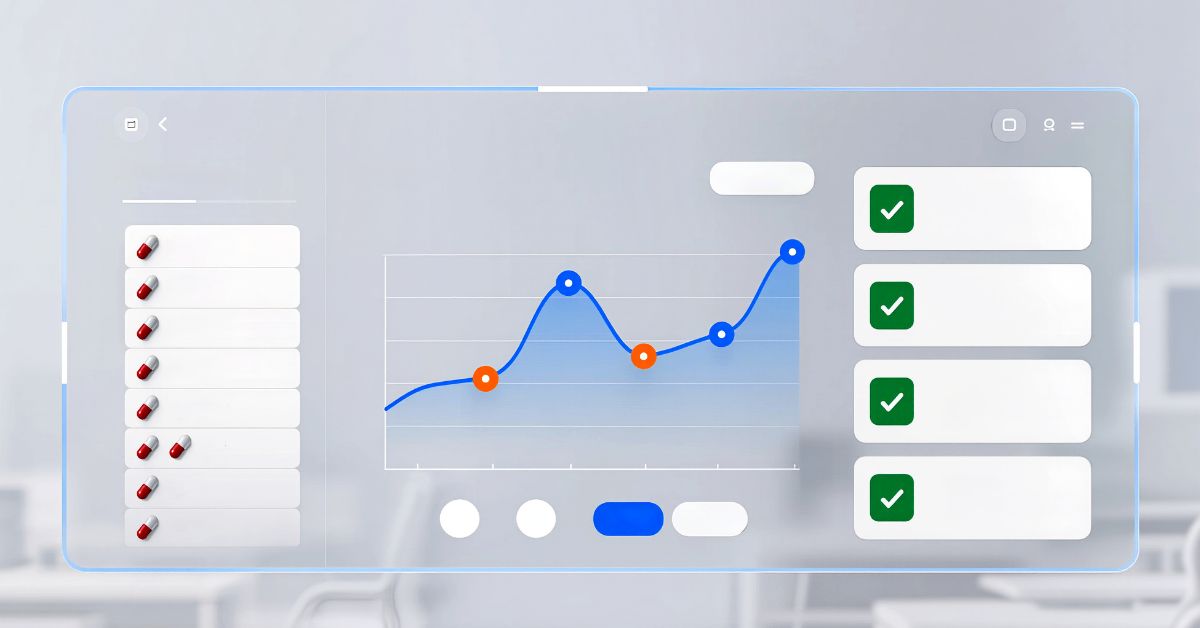
Seasonal cash-flow dips are one of those problems founders feel long before they see them on a report.
Holiday inventory, slow summers, tax months, weather, grant cycles, all pulling cash in different directions.
Now that AI tools forecast seasonal cash-flow dips with more speed and detail, many teams wonder if this is real help or just another buzzword. For Canadian startups, the answer leans quite strongly toward “real help”, as long as the basics sit in place and the tactics are clear.
This guide walks through how AI works in forecasting, how seasonal dips show up in Canada, and what practical steps a founder can take, even with a small team and no in-house finance expert.
Most Canadian startups do not fail from lack of ideas. They get squeezed by timing.
Typical patterns:
Cash often looks fine in one part of the year, then drops faster than expected in another. The hard part is not knowing that seasonality exists. The hard part is knowing how deep the dip will go and exactly when liquidity gets tight. That is where AI tools forecast seasonal cash-flow dips with useful precision.
Modern AI cash-flow engines sit on top of your existing data. They pull:
Large providers describe a similar pattern. AI models read historical inflows and outflows, detect recurring patterns, and then keep updating forecasts as new data comes in. NetSuite, for example, explains how its AI scans internal transactions plus external indicators and updates cash-flow projections whenever new events occur, like a big contract win or change in payment behaviour.
Research on AI in financial forecasting shows a strong shift toward this kind of model. Market analysis from Technavio points to very fast growth in AI forecasting software worldwide, with billions in expected spend, which tells you many finance teams now rely on AI rather than spreadsheets alone.
One more data point that matters for a founder: surveys referenced in several forecasting guides show that a large share of companies now use AI in planning and see fewer forecast errors, including lower variance in sales and cash-flow projections.
In short, AI tools forecast seasonal cash-flow dips by:
Traditional spreadsheets can show trends, but they struggle once you have:
AI tools forecast seasonal cash-flow dips in a few specific ways that help Canadian startups:
Machine-learning models can look at several years of monthly or weekly movements and pick up combinations humans tend to miss, such as:
NetSuite’s own examples show AI cash-flow models bringing in seasonal trends, interest-rate projections, and industry payment behaviour to generate more nuanced projections than manual approaches.
Modern forecasting tools make it easy to run what-if cases:
AI can recompute those scenarios across hundreds of variables much faster than a manual spreadsheet. That means a founder can look at several paths in one sitting, not “someday”.
Many Canadian startups build a budget in January and then barely touch it. AI forecasting flips that habit.
When a major invoice gets delayed, or ad spend spikes ahead of Black Friday, an AI system can lower short-term cash expectations and highlight the new trough date. Some platforms send alerts when predicted cash drops under a chosen threshold. Nilus, for instance, markets AI-powered cash-flow forecasting that connects historic flows with upcoming transactions and updates forecasts in near real time.
This kind of “rolling view” is very useful for seasonal dips. You do not just see the pattern once a year. You see it forming weeks in advance.
Vitality Cash focuses on AI-driven cash-flow management for small businesses, with Canadian SMBs as a core audience. The platform:
In other words, AI tools forecast seasonal cash-flow dips inside Vitality Cash by reading your historic sales and expense patterns and then layering in predictive logic for upcoming periods. For a founder, the practical benefit is quite direct: the tool tells you which month looks risky and how deep the shortfall might go, then suggests responses such as cutting an expense or collecting faster on a group of invoices.
You can get value from AI without turning your finance stack upside down. A simple process works for many Canadian startups.
Export or sync:
AI models perform best when at least one full seasonal cycle exists. Two cycles help even more, though early-stage startups may only have one.
Here you decide which AI tools forecast seasonal cash-flow dips in a way that fits your team. For Canadian SMBs, Vitality Cash can plug into tools like QuickBooks, Xero, Wave, or Zoho and pull cash-flow data automatically.
Key practical checks:
AI will spot patterns, but you can strengthen the model with context.
Create simple tags for:
Over time, AI tools forecast seasonal cash-flow dips more accurately when they can match those tags to the way inflows and outflows behave.
Many treasury and FP&A teams rely on a 13-week rolling cash forecast for near-term decisions. Financial technology resources often highlight this period as a practical horizon for managing liquidity, especially when paired with AI-driven updates.
Set up:
AI fills these windows using your historic data, tagged seasonality, and current pipeline. You review and adjust assumptions where you have extra knowledge, such as an upcoming product launch that has no history yet.
Decide:
Then configure alerts around those points inside your AI tool. Vitality Cash, for example, can send warnings when modelled cash drops below a threshold or when overdue receivables push the forecast into a risky zone.
Now AI tools forecast seasonal cash-flow dips, and those dips link directly to notifications you see in time to act.
Forecasts alone do not keep a startup alive. The value comes from the actions that follow.
Here are practical tactics Canadian founders use once their AI tools forecast seasonal cash-flow dips.
If AI shows a deep cash trough in February and March, you can:
This moves more cash into strong months and lightens the pressure in weak ones.
For retail and eCommerce:
The aim is to avoid a situation where strong top-line growth hides a severe cash low.
When AI tools forecast seasonal cash-flow dips six months from now, founders have room to:
The idea is not to freeze growth. It is to match long-term obligations with periods of stronger cash.
Vitality Cash includes a Grant Finder that identifies Canadian grants and financial aid programs relevant to the business.
Combining that with AI-based cash forecasts lets you:
If AI consistently shows lower cash in certain quarters, you can test:
Consider a small Canadian D2C brand selling winter wear online.
Pattern without AI
The founder manages cash in a spreadsheet. Each year, the dip in late winter arrives harder than expected, mostly because the December numbers look healthy on the surface.
Pattern with AI
After connecting bank and eCommerce data to Vitality Cash, the AI model runs through the last two winters and current trends. It projects:
The founder asks the AI tool to run scenarios:
The model shows that these changes reduce the depth of the February low and keep the minimum cash balance above the chosen safety line.
From there, the founder:
The next winter still has seasonality. That does not vanish. What changes is that AI tools forecast seasonal cash-flow dips early enough, and tactics stand ready to manage them.
| Seasonal risk or question | How AI tools forecast seasonal cash-flow dips help | Practical response for Canadian startups |
|---|---|---|
| “How low will cash go in our worst month?” | Models historic lows, current run-rate, and near-term commitments | Set a minimum cash line and adjust hiring or spending accordingly |
| “What happens if holiday sales miss target by 15%?” | Runs scenario across revenue, inventory, and marketing spend | Re-plan Q1 expenses, scale back ads, delay non-urgent projects |
| “Are late payers getting worse at a certain time of year?” | Spots shifts in customer payment behaviour and seasonal delays | Tighten terms, automate reminders, escalate collections earlier |
| “Which months give us room to invest more?” | Highlights periods with surplus cash above safety levels | Time hiring, R&D, or large purchases in those months |
| “Can we survive if one large client pays 30 days late?” | Simulates delayed inflows and tests impact on weekly balances | Add contingency actions such as credit lines or deposit changes |
| “Do grant inflows and tax refunds cover our weak seasons properly?” | Combines expected funding dates with historic dips | Adjust grant timing, financing, or savings targets |
This sort of table reflects how AI tools forecast seasonal cash-flow dips and then link those dips directly to actions a founder can take.
If you already run basic cash-flow reports, the next practical step is small. Connect an AI-driven cash-flow tool, let it read at least one full year of data, then sit with the forecast and ask one question:
“Where does this model say our cash is most at risk, and what small change can we make this month to soften that dip?”
From there, you refine. Month after month, your seasonal pattern becomes less of a surprise and more of a plan.
An AI-integrated cash flow management solution designed to empower SMBs with predictive insights, comprehensive financial control, and streamlined operations.

Copyright © 2024 Vitality Cash. All Rights Reserved.